
Vygotsky and social constructivism — learning is social

didactec 08.09.2025
Lesson Progress
0% Complete

- Zone of Proximal Development (ZPD): students can do more with a guide (teacher or peer) than alone.
- Scaffolding: provide support, then gradually withdraw it as competence grows.
- Group interaction and reflection accelerate logical and moral development.
Classroom actions:
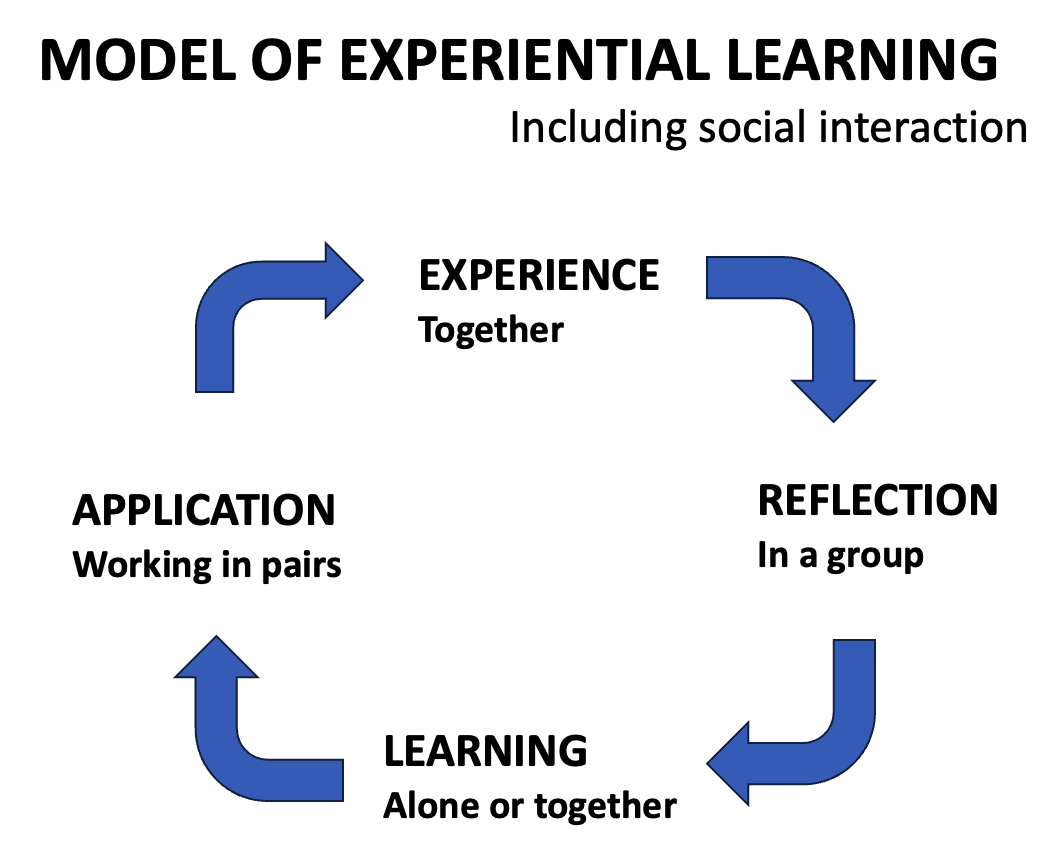
- Use pair-work, mixed-ability grouping, and guided problem-solving.
- Encourage peer explanation and joint reflection — social talk organizes thought.
Sensitive periods & domain differences
- Some domains (e.g., language) have sensitive windows where experience has strong effects.
- Different brain areas mature at different times — children can be ready to learn certain skills earlier than others depending on exposure and practice.
Teacher takeaway: prioritize rich, age-appropriate language exposure and varied experiences early, but keep offering opportunities later — learning remains possible.
Variability: stage-like, but flexible and content-dependent
- Development is neither purely linear nor strictly stage-locked. A child may operate at higher levels in familiar content and lower levels in unfamiliar areas.
- Culture, schooling style, home experiences, gendered interests, and prior knowledge shape trajectories.
- Gender differences often reflect motivation and subject supply (“boys’ subjects” vs. “girls’ subjects”) and teacher-student interaction more than fixed ability differences.
Implication: assess readiness by content and context, not only by chronological age.
Please take the quiz to proceed: