

Lesson Progress
0% Complete

Short version: behaviorist techniques are great for teaching skills that need precision, speed or fluency. Use clear models, lots of well-planned practice, and timely feedback to build automaticity — then move students into deeper, contextual learning.
Let’s unpack how to do that in real classrooms, and how to mix behaviorist practices with the broader ideas you already use (Piaget, Ausubel, constructivism, brain research, motivation, etc.).
Why behaviorist methods work (quick neuroscience + pedagogy link)
- Repetition and practice strengthen neural connections — learning literally reorganizes the brain. Repeated, targeted practice forms and stabilizes synapses (brain research supports this).
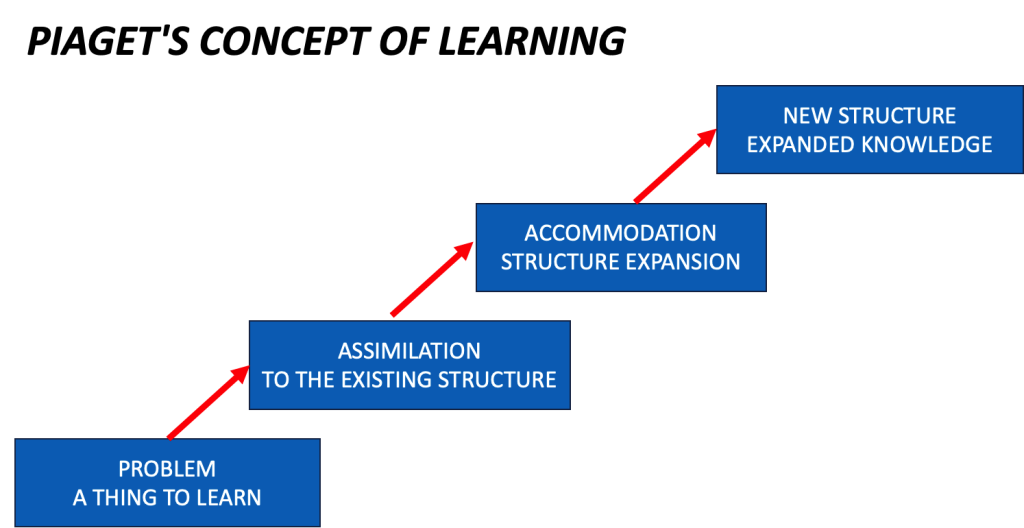
- Clear models and step-by-step practice reduce cognitive load for novices: if students don’t yet have relevant schemata (Piaget/Ausubel), explicit modeling and guided practice help them build those schemata.
- Immediate feedback prevents practicing errors and speeds correct habit formation — turning a fragile skill into reliable performance.
So think of behaviorist practices as the scaffolding and muscle-building stage: they get students to a point where they can then use constructivist strategies to generalize and transfer.
When to use behaviorist techniques
- Teaching procedural skills (algorithmic math procedures, lab techniques, keyboarding, phonics).
- Building fluency (reading accuracy, math facts, foreign‑language pronunciation, typing speed).
- Safety-critical tasks (lab safety procedures, machine operation).
- Establishing classroom routines and behavior (entering class, submitting work).
- When students have little prior knowledge and need concrete, scaffolded steps.
Core practical strategies and what they look like
- Model clearly (I do / We do / You do)
- Show the exact steps while thinking aloud. Then do it together, then have students try independently.
- Example: Solve one algebra problem out loud, then solve one with students, then give three for independent work.
- Deliberate, spaced repetition (distributed practice)
- Schedule short, regular practice sessions over days/weeks instead of one marathon.
- Example: 5–10 min daily fluency drills for arithmetic across a month beats a single long cram session.
- Immediate, specific corrective feedback
- Tell students exactly what was right/wrong and how to improve. Avoid vague praise only.
- Example: “You set up the equation correctly, but when you isolated x you forgot to divide both sides by 3 — try that step again.”
- Reinforcement — but use it thoughtfully
- Social reinforcement (genuine praise, attention), mastery recognition (stickers, certificates), or intermittent rewards help maintain practice.
- Caution: Over-relying on external rewards can undermine intrinsic motivation. Prefer unexpected praise and reinforcement tied to mastery, and fade tangible rewards over time.
- Shaping and chaining for complex tasks
- Break a complex skill into smaller approximations (shaping). Teach and combine sequences step-by-step (chaining).
- Example: For a lab procedure, teach correct pipetting first, then measuring, then assembling the whole protocol.
- Prompting and prompt fading
- Give cues (physical, verbal, visual) early, then gradually remove them so students perform independently.
- Mastery learning & criterion-based progression
- Move students forward only when they demonstrate a defined level of mastery. Allow extra practice and corrective instruction until they reach it.
- Errorless learning (for early stages / vulnerable learners)
- Structure practice so early attempts are likely to succeed, minimizing reinforcement of incorrect responses.
- Practice variability and interleaving (to avoid rote-only learning)
- Once basic fluency exists, vary contexts and mix problems so students learn to apply skills flexibly (reduces narrow rote learning).
- Use low-stakes frequent formative checks
- Quick quizzes or exit tickets let you give corrective feedback fast and adjust instruction.
- Routines and behavior management
- Teach routines explicitly, rehearse them and reinforce correct execution (e.g., “turn in homework” routine).