Lesson Progress
0% Complete
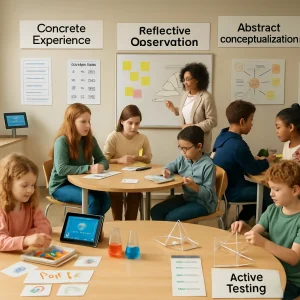
Photorealistic image of a modern, inclusive classroom arranged as a clear Kolb learning cycle in a circular layout with four labeled stations: "Concrete Experience"—young children at a tactile science station with sensory materials, simple structure charts, a tablet showing a simulation and beakers for hands-on experiments; "Reflective Observation"—a mixed-age small group quietly jotting in notebooks and sharing sticky notes and sketches; "Abstract Conceptualization"—teacher at a whiteboard synthesizing concepts with diagrams while older students engage with abstract models; "Active Testing"—students building and testing mini-projects and prototypes and swapping feedback. Visible signage and routines show Piaget age-fit (younger learners with simpler, sensory routines and clear step prompts; older learners with abstract expectations and independence). To the side, a visual contrast for serialists vs holists: a neat step-by-step agenda checklist on a clipboard next to a large colorful big-picture mind-map poster. A small tablet kiosk in the corner displays the subtle UI prompt "Please take the quiz to proceed." Diverse learners (varying ages, ethnicities, abilities), warm natural daylight, realistic textures, soft shallow depth of field, high resolution and crisp details; balanced composition suited for an educational article.
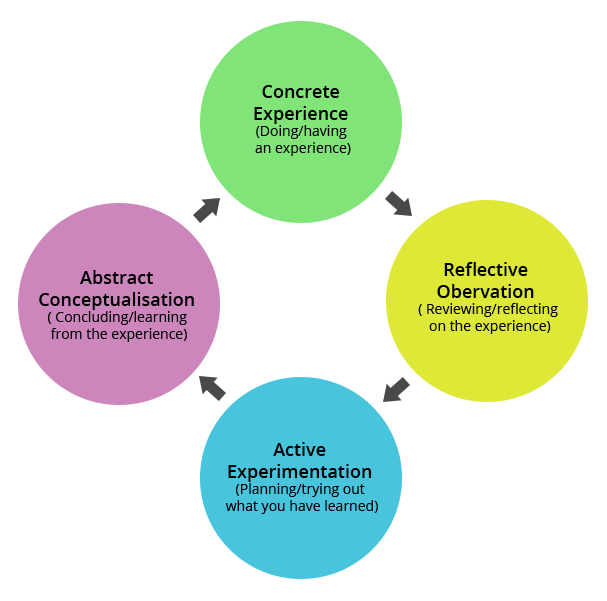
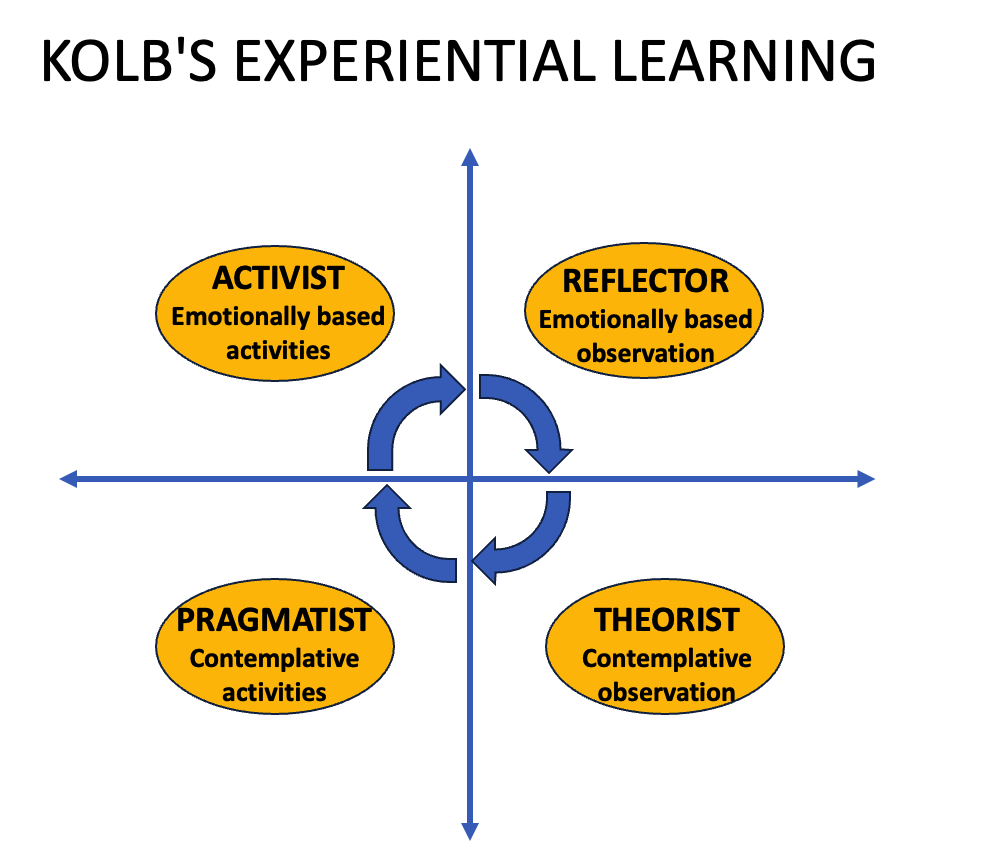
  • Kolb-style cycle: design lessons that include (1) concrete experience (lab, simulation), (2) reflective observation (jot + share), (3) abstract conceptualization (teacher synthesis), (4) active testing (task, mini-project). Routines map to each step.
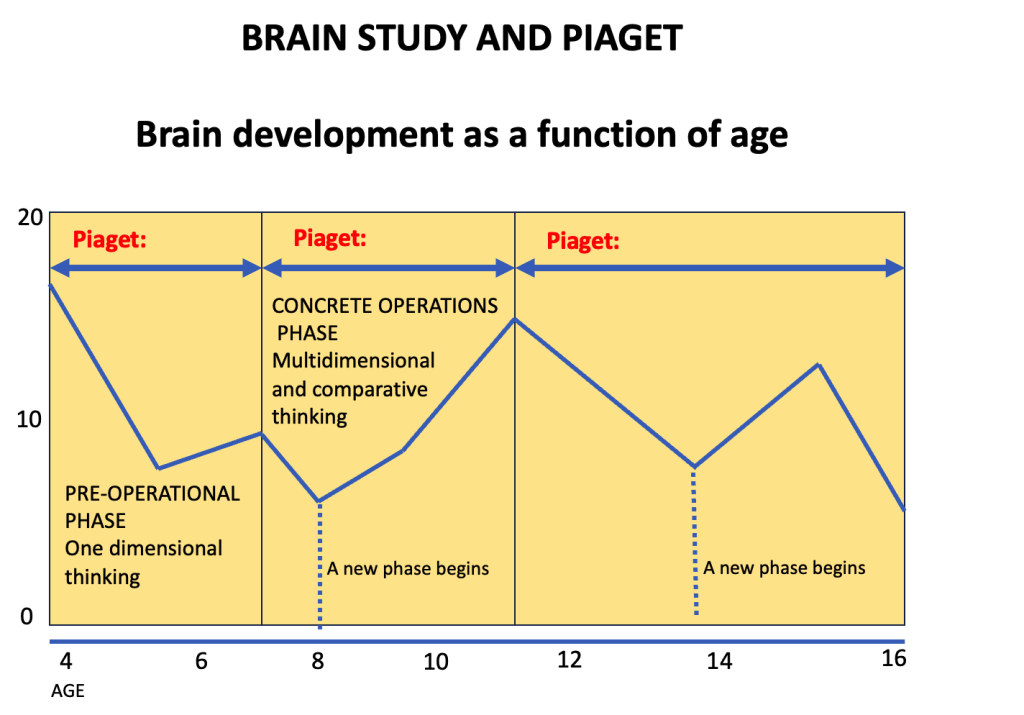
  • Piaget/age-fit: younger/concrete learners need more structure and tangible experiences; older/formal learners can handle abstract expectations. Keep routines simpler and more sensory for younger groups.
  • For serialists vs holists: provide both a step-by-step agenda and a big-picture map so students can align with their strategy.
Please take the quiz to proceed: