-
From Theory to Plan: Translating Principles into Lessons32 Topics
-
Active Learning Strategies44 Topics
-
Differentiation and Personalized Learning5 Topics
-
Formative Assessment: Techniques and Use4 Topics
-
Classroom Management: Routines, Procedures and Environment5 Topics
-
Collaborative Learning and Group Work6 Topics
-
Questioning, Feedback and Scaffolding5 Topics
-
Technology Integration and Digital Activities6 Topics
-
Inclusive Practices: Equity, ELL and SEN Strategies7 Topics
-
Reflection, Action Research and Professional Growth4 Topics
Participants 3

Quick checklist for teachers (before each lesson)

didactec 27.11.2025
Lesson Progress
0% Complete
- Competence objective articulated in measurable verbs.
- One short modelling script (8–12 min max).
- Two active practice tasks with different interaction patterns.
- One formative check (exit ticket, short quiz).
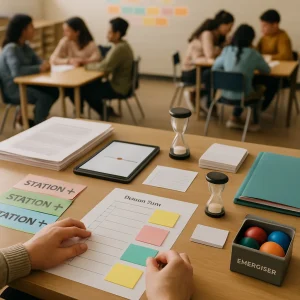
- Materials prepped (handouts, station cards, tech).
- Clear student instructions and visible timeline.
- Backup plan and flex time flagged on your plan.
Final notes — habits that make sequencing & pacing work
- Plan with the end in mind (backward design), but be ready to re‑map the next lessons based on formative evidence.
- Keep teacher input concise and highly structured; let practice occupy most of class time.
- Signal transitions clearly and use tiny energisers or reflection pauses to reset attention.
- Document outputs and rubrics (portfolio evidence) so you can reuse and refine the unit next year.
- Try every new method at least four times (course guidance): initial trials are practice for both you and students.
If you want, I can:
- Convert the two‑week pacing guide into a printable 1‑page teacher sheet.
- Adapt the guide for 45‑minute or 90‑minute lessons.
- Create sample formative questions and rubrics matched to a specific subject and skill.